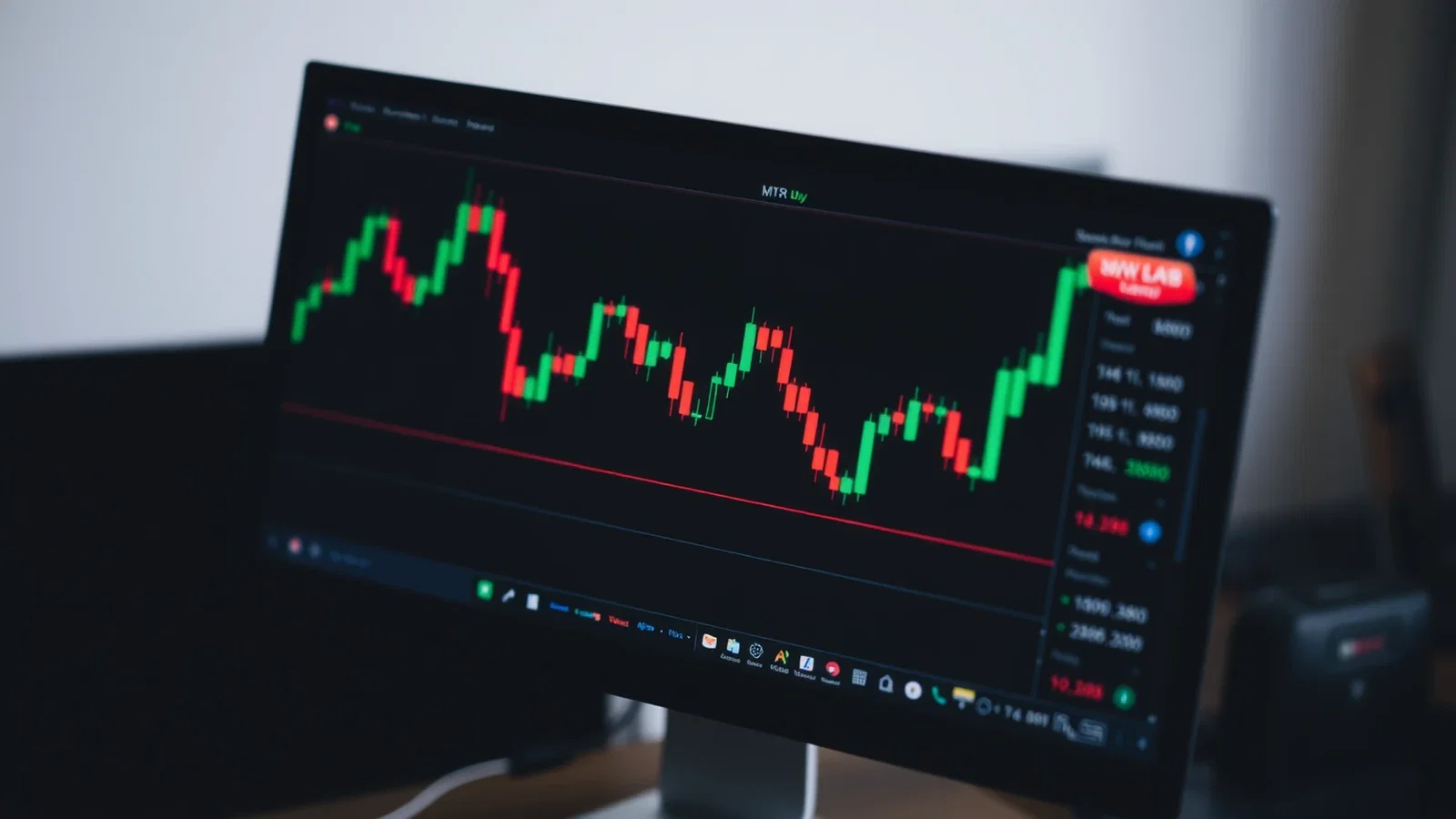
The white metal stumbled into the weekend, closing Friday at $64.09 an ounce — a 2.61% daily slide that capped a nearly 6% weekly rout. The selloff, now 45% below the all-time high struck in January, has left traders scanning for support levels that keep slipping. The prime culprit is the Federal Reserve, which held rates steady between 3.50% and 3.75% but struck a distinctly hawkish tone. Nine of the 19 Fed members now see at least one rate hike before year-end, and markets have priced roughly a 70% probability of an increase by September. Goldman Sachs went a step further, scrapping all rate-cut forecasts for 2026 and pushing the earliest possible cut to June 2027.
The dollar surged to its strongest level since May 2025, punishing silver on two fronts: a stronger greenback makes the dollar-denominated metal more expensive for overseas buyers, while higher rates erode the appeal of non-yielding assets. The currency move alone helped shave 14% off silver’s value on a monthly basis, and the technical picture is now strained. The relative strength index sits at 35.6, flirting with oversold territory, while the price trades roughly 15% below its 50-day moving average of $75.18. Chartists are watching a resistance zone at $70.73; a breakout above that could open the door to the May high near $79.05. But failure to hold the current level risks a drop to support at $61.50, and below that a pivot at $54.25 looms. The immediate support band of $65–66 flagged by some analysts has already been breached.
Adding to the bearish undercurrent, planned US-Iran talks aimed at winding down the Middle East conflict failed to take place on Friday, dashing hopes for a diplomatic breakthrough and removing a geopolitical risk premium that had propped up safe-haven demand.
Should investors sell immediately? Or is it worth buying Silber Preis?
Yet beneath the macro pressure, the fundamental story remains strikingly tight. The Silver Institute projects a supply deficit of roughly 46 million ounces in 2026, up from about 40 million ounces the prior year. COMEX inventories have plunged from 531 million ounces in October 2025 to around 315 million ounces. That structural squeeze is the reason silver rallied strongly last year, but the current demand picture is fracturing. Solar manufacturers — historically a major consumer — are reducing the amount of silver used per cell when prices exceed $100 an ounce, a practice known as thrifting. The industrial sector overall is expected to see a 2% dip in silver consumption. Offsetting that weakness, investment demand is forecast to climb by roughly one-fifth, while data centers, AI hardware, and automotive electronics provide a partial counterbalance.
The gold-silver ratio now stands at about 62, within the long-term average band of 65–75, suggesting the valuation relationship between the two metals is broadly neutral — offering neither a clear signal to swap into one nor the other.
All eyes now turn to Friday’s release of the US PCE inflation report for May, the Fed’s preferred gauge. A softer-than-expected reading could ease some of the upward pressure on rate expectations and give silver room to rebound. Conversely, a hot print would reinforce the hawkish narrative and likely extend the metal’s slide. Ahead of that, Thursday brings the final Q1 GDP reading and durable goods orders — both will shape the tone entering the PCE decision. For now, the metal remains caught between a hawkish central bank and a deepening supply shortfall, a tension that guarantees no easy resolution in the near term.
Ad
Silber Preis Stock: Buy or Sell?! New Silber Preis Analysis from October 22 delivers the answer:
The latest Silber Preis figures speak for themselves: Urgent action needed for Silber Preis investors. Is it worth buying or should you sell? Find out what to do now in the current free analysis from October 22.
Silber Preis: Buy or sell? Read more here...